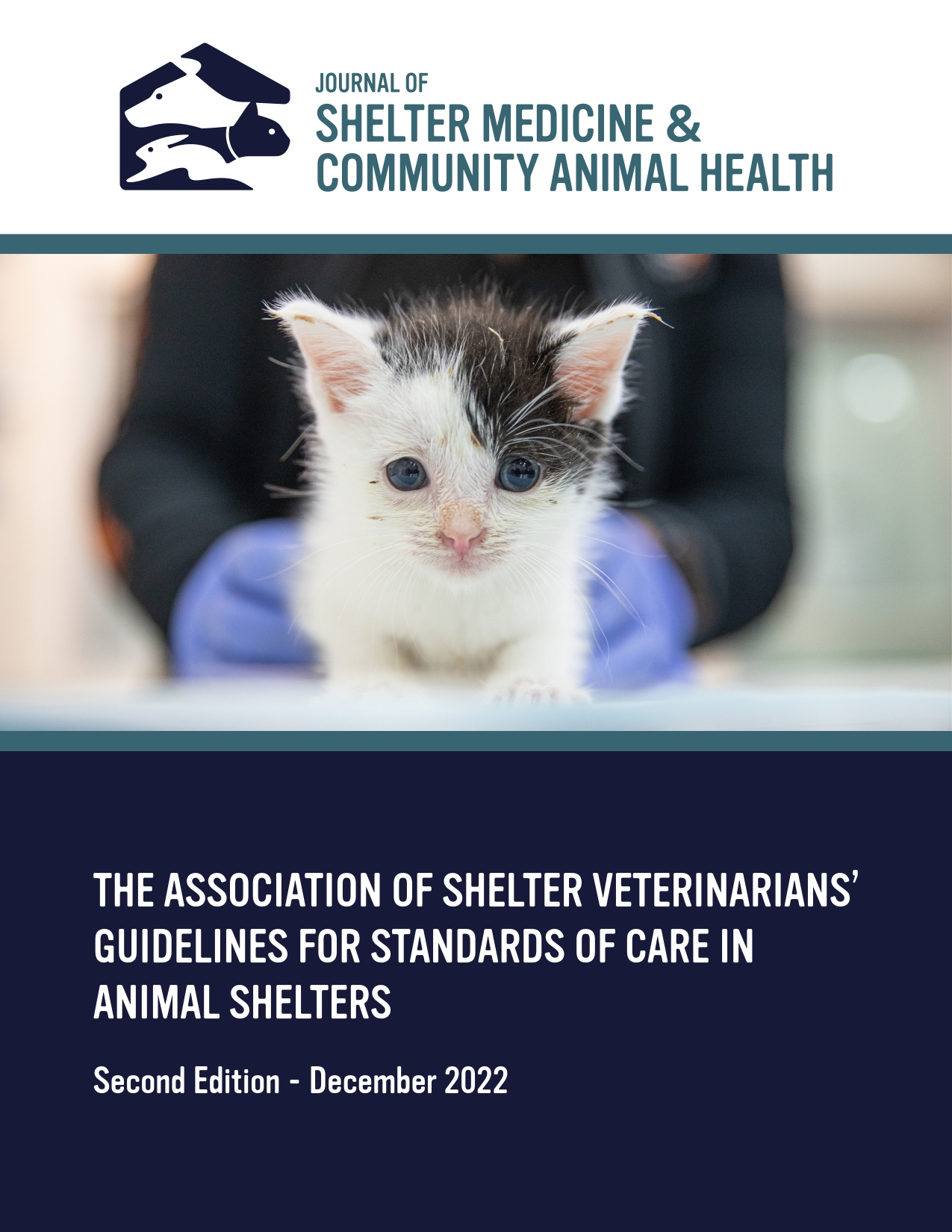
The Journal of Shelter Medicine and Community Animal Health (JSMCAH) is a society-published, open-access, continuous publication, peer-reviewed journal of the Association of Shelter Veterinarians. JSMCAH publishes research that advances shelter and community animal health, welfare, and access to veterinary care, promoting evidence-based practices to improve outcomes for animals and the people who care for them. Learn more >>
Peer Review Process
For most regular research submissions, JSMCAH employs a double-blind process at the review stage (the reviewer does not know the authors' identity, and the authors do not know the identity of the reviewers) but reveals the names of the reviewers upon publication. Exceptions are described below. It is the authors’ responsibility to ensure that submissions are blinded. Peer reviewers are asked to adhere to the principles of COPE's Ethical Guidelines for Peer-reviewers. Reviewers are also subject to the JSMCAH Artificial Intelligence Policy, including its disclosure and confidentiality requirements. Reviewers must not upload confidential manuscript or peer-review content to an AI system where confidentiality cannot be assured. Reviewers are selected based on their expertise. Most regular research manuscripts that proceed to peer review are evaluated by a minimum of two independent reviewers; exceptions are described below.
Data papers are reviewed single-blind. Assessing a data paper requires opening the deposited dataset, and a repository record identifies whoever deposited it, so the authors cannot be masked from the reviewer without preventing the review. Reviewers of data papers remain anonymous to the authors until publication, and the conflict of interest expectations are the same as for every other article type.
Supplemental issues vary by content type. Consensus documents and guidelines are reviewed by a minimum of two external reviewers with relevant expertise, through an editorial review process rather than the double-blind process used for regular submissions. Conference abstracts are editorially reviewed, are not peer reviewed, and are labelled as such.