SHORT REPORT
Feasibility of Recruiting and Retaining Adopters From Animal Shelters for a Longitudinal Study of Mental Health
Jessie L. Dyer1, Brittany Watson1, Chelsea L. Reinhard1, Heather Klusaritz2, James A. Serpell1 and Lauren Powell1*
1Department of Clinical Sciences & Advanced Medicine, School of Veterinary Medicine, University of Pennsylvania, Philadelphia, PA, USA; 2Department of Family Medicine & Community Health, Perelman School of Medicine, University of Pennsylvania, Philadelphia, PA, USA
Abstract
Companion animals offer an underutilized pathway that may improve public mental health. A critical evidence gap persists regarding the role of companion animals in mental health outcomes among lower-income pet owners. While animal shelters provide a unique avenue to reach this under-represented population, longitudinal data remain scarce. This pilot study used a prospective observational design to assess the feasibility of recruiting and retaining a sample of prospective dog and cat adopters across socioeconomic groups for a longitudinal study about animal adoption and mental health through animal shelters. Participants completed a series of validated mental well-being scales prior to adoption and at 1- and 3-month post-adoption intervals.
Between August and December 2024, 16 participants were recruited from two animal shelters in Philadelphia. The baseline response rate was 41%. Non-response to follow-up measures was common, with only four participants providing complete responses at both the 1- and 3-month survey time points. The majority of participants reported household incomes within the first (≤ $30,623, n = 3, 19%) and second income quintiles ($30,624 – $58,741, n = 7, 44%) based on the U.S. Census. The results affirm the potential of shelter-based recruitment to advance research about the impacts of companion animal adoption on mental health for adopters spanning socioeconomic groups. However, researchers must be aware of the significant potential for participant non-response and implement additional strategies to promote retention.
Keywords: animal shelter; cats; dogs; pets; community engagement; psychological health; mental well-being; human–animal interactions; human–animal bond; stress
Citation: Journal of Shelter Medicine and Community Animal Health 2026, 5: 175 - http://dx.doi.org/10.56771/jsmcah.v5.175
Copyright: © 2026 Jessie L. Dyer et al. This is an Open Access article distributed under the terms of the Creative Commons Attribution 4.0 International License (http://creativecommons.org/licenses/by/4.0/), allowing third parties to copy and redistribute the material in any medium or format and to remix, transform, and build upon the material for any purpose, even commercially, provided the original work is properly cited and states its license.
Received: 26 March 2026; Revised: 13 July 2026; Accepted: 15 July 2026; Published: 7 September 2026
Competing interests and funding: The authors declare no potential conflicts of interest. The study was partly funded by Waltham Petcare Science Institute, Mars Petcare. The funder reviewed the manuscript for accuracy and had no role in the study design, data collection and analysis, decision to publish, or preparation of the manuscript. The content is solely the responsibility of the authors and does not necessarily represent the official views of Waltham Petcare Science Institute.
Correspondence: *Lauren Powell, School of Veterinary Medicine, University of Pennsylvania, Philadelphia, PA 19104, USA. Email: lrpowell@vet.upenn.edu
Reviewers: Jordan Woodsworth, Katherine Koralesky
Supplementary material: Supplementary material for this article can be accessed here.
Companion animals have been shown to promote human mental health by providing social support,1 increasing quality of life,1 reducing loneliness,2 and decreasing social isolation.3 Dog owners frequently report greater physical activity than non-dog owners, which may also facilitate incidental social interactions and promote mental well-being.4,5 However, the literature is inconclusive as a series of mixed and negative outcomes have also been reported.6–9 One potential driver of these inconsistencies is an overreliance on cross-sectional study designs, with limited research examining the longitudinal effects of companion animal acquisition on mental health.9–12 Powell et al. reported that new dog owners experienced reduced loneliness within 3 months of dog acquisition compared to non-owners, although socioeconomic characteristics also appeared to influence owners’ mental well-being.12 Another longitudinal study conducted during the COVID-19 pandemic reported short-term increases in positive mental health followed by a longer-term decline in reported calmness and cheerfulness, with no significant overall effect of pet acquisition on well-being.11
Individual differences in responses to animal ownership, likely influenced by owners’ demographics and environments, may also contribute to the inconclusive evidence base. Numerous studies have described broad socioeconomic, racial/ethnic, and occupational disparities in morbidity and mortality among Americans.13,14 The prevalence of mental illness, in particular, is disproportionately high among low-income populations as social inequities are strongly linked with risk factors for mental illness.13,15 Yet, little is known about how animal ownership may influence mental health across sociodemographic groups. It is plausible that human–animal relationships provide unique mental health benefits for owners experiencing social inequities, although additional challenges may exist related to access to veterinary care,16 the built environment,17 dog walking practices,18 and perceived neighborhood safety.19
To increase representation in human–animal interaction research, some researchers have turned to online panels to produce unbiased study samples.11 However, these panels face limitations due to their reliance on frequent internet users, which could exacerbate non-representative study samples. An alternative approach to include diverse populations in research is the use of community-academic research partnerships. The aim of this pilot study was to assess the feasibility of recruiting and retaining a sample of prospective dog and cat adopters across socioeconomic groups through animal shelters for a longitudinal study of mental health outcomes following companion animal acquisition. Testing the feasibility of such a study with this population is important given the structural and economic barriers faced by low-income pet owners, which may affect recruitment, retention, and data completeness in longitudinal human–animal bond research.
Methods
Researchers obtained ethical approval from the University of Pennsylvania’s Institutional Review Board (Protocol # 855585). Participants were recruited between August 2024 and December 2024 on-site at two animal shelters near Philadelphia, Pennsylvania. Participants were eligible if they were over 18 years of age, had not owned a cat or dog for at least 3 months prior to baseline, and were willing to adopt a cat or dog within 1 month of baseline. Participants were approached by research staff after checking in with the animal shelter’s adoption staff to determine their interest in the study. Interested participants then completed a screening questionnaire to determine their eligibility. Researchers and shelter staff were unaware of participants’ U.S. Census income quintiles prior to baseline survey completion. The baseline survey could be completed via Qualtrics, on paper, or verbally with a researcher at the shelter. Researchers then contacted participants via email or phone at 1 and 3 months after baseline to complete follow-up surveys. The surveys were comprised of sociodemographic questions and the following validated scales: the Distress Thermometer,20 7-item Generalized Anxiety Disorder (GAD-7) scale,21 9-item Patient Health Questionnaire (PHQ-9),22 10-item Perceived Stress Scale (PSS),23 the 10-item International Short Form Positive and Negative Affect Schedule (I-PANAS-SF),24 and the 3-item UCLA Loneliness Scale (Supplementary Material).25 All of the mental health survey instruments were included to test the utility of the tools, associated survey burden and the feasibility of longitudinal data collection methods, but they were not intended to support inference about mental health changes following adoption in this pilot study. Participants who did not acquire an animal within 1 month or acquired more than one animal during the study were excluded. Upon completion of the study, participants were entered into a draw to receive one of four $50 gift cards for reimbursement of their time.
Results
A total of 93 prospective adopters were solicited to participate in the study (Fig. 1). Of those, 42% (n = 39) were eligible for the study, although 13 were not interested in participating and 10 failed to complete the survey before adoption and were subsequently excluded. The baseline survey response rate was 41% (n = 16). More than half of the solicited adopters were not eligible for the study (n = 54, 58%). The primary reasons for non-eligibility at baseline were current pet ownership (n = 48, 89%) and the intention to adopt a pet that was neither a cat nor a dog (n = 5, 9%). At the 1-month survey time point, four participants provided complete responses, two provided incomplete responses, and three were excluded due to ineligibility (see Fig. 1). The 3-month survey was completed by four participants.
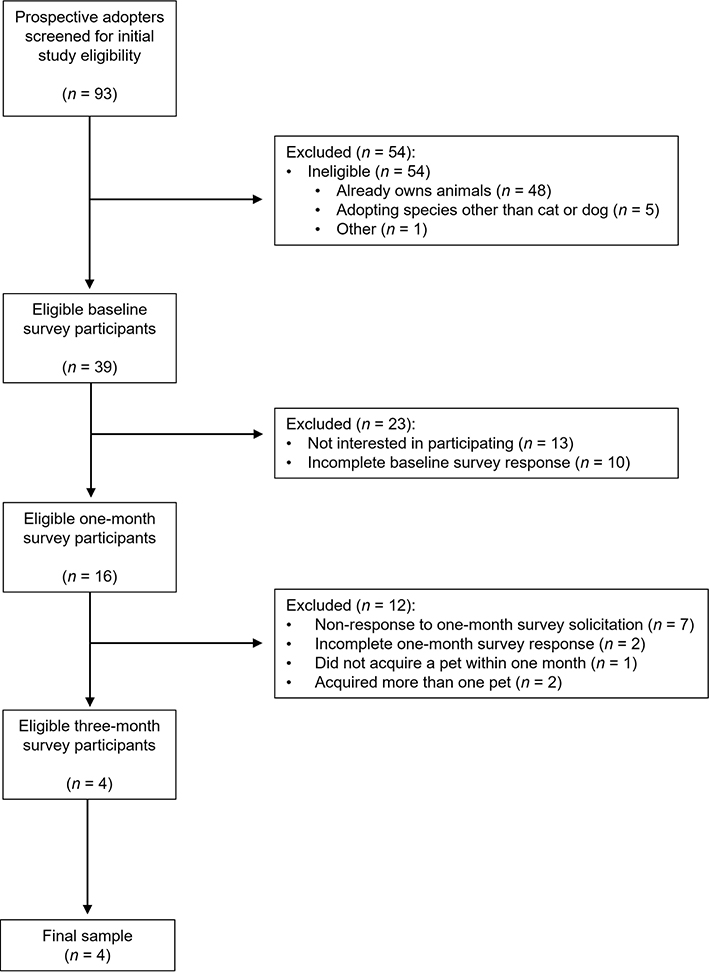
Fig. 1. Flow chart showing the inclusion and exclusion of participants.
The average age of participants who completed the baseline survey was 39.6 years, with a range of 19–80 years. Most were female (n = 10; 63%) and currently working (n = 10; 63%) (Table 1). Household income often fell within the first (≤ $30,623, n = 3, 19%) and second income quintiles ($30,624 – $58,741, n = 7, 44%) based on the U.S. Census. The species of interest for prospective adopters was evenly split between dogs and cats, with eight of each. A visual comparison of average survey scale scores across time points is available in Supplementary Fig. 1.
| Category | n (%) |
| Gender | |
| Female | 10 (63) |
| Male | 4 (25) |
| Non-binary | 1 (6) |
| Prefer not to answer | 1 (6) |
| Race | |
| Asian | 1 (6) |
| Black or African American | 2 (13) |
| White | 11 (69) |
| Prefer not to answer | 2 (13) |
| Hispanic, Latino or Spanish origin | |
| Yes | 3 (19) |
| No | 12 (75) |
| Prefer not to answer | 1 (6) |
| Education level | |
| Did not graduate from high school | 2 (13) |
| High school graduate | 4 (25) |
| Associate degree | 3 (19) |
| Bachelor’s degree | 6 (38) |
| Master’s degree | 1 (6) |
| Employment status | |
| Working now | 10 (63) |
| Student | 2 (13) |
| Retired | 1 (6) |
| Disabled | 1 (6) |
| No response | 1 (6) |
| Prefer not to answer | 1 (6) |
| Household income range | |
| ≤ $30,623 | 3 (19) |
| $30,624 – $58,741 | 7 (44) |
| $58,742 – $93,431 | 2 (13) |
| $93,432 – $150,597 | 0 (0) |
| More than $150,597 | 1 (6) |
| Prefer not to answer | 3 (19) |
| Number of adults in the householda | |
| One | 5 (31) |
| Two | 10 (63) |
| Number of children in the household | |
| Zero | 12 (75) |
| One | 2 (13) |
| Two | 2 (13) |
| Owned a dog in the past | |
| Yes | 12 (75) |
| No | 4 (25) |
| Owned a cat in the past | |
| Yes | 9 (56) |
| No | 7 (44) |
| aThe response from one participant was coded as missing as they indicated their household included zero adults (including themself) which was not possible. | |
Discussion
In this pilot study, we evaluated the feasibility of recruiting a sample of prospective dog and cat adopters across socioeconomic groups. By partnering with animal shelters, we reached an under-represented population of mostly lower- and middle-income adopters. Survey administration was generally well-received during in-person recruitment at shelters.
However, the sample size was limited by both the small number of completed baseline responses and the number of participants who were lost to follow-up. One of the key challenges we faced with recruitment resulted from the limited time available for adopters to complete the survey prior to adoption. This challenge was particularly salient during reduced-cost adoption events where participants were hesitant to miss their opportunity to complete their adoption. Future studies should prioritize brevity in their data collection methods to ensure participants can be enrolled without disrupting typical shelter processes and to reduce the overall survey burden.
We also experienced significant attrition at both follow-up time points. Non-response to follow-up post-adoption surveys appears to be a common problem in the literature. For example, a recently published large longitudinal adoption survey had a response rate of 10.4–20.6%.26 More frequent engagement with participants throughout the study and increased incentives for study completion may help to reduce loss to follow-up.
Conclusion
This study demonstrated the potential utility of shelter-based recruitment to support research about the impacts of companion animal adoption on mental health. In addition, the findings pave the way for future studies to enhance representation to elucidate the experiences of a more diverse group of animal owners, although researchers should implement strategies to reduce the likelihood of substantial retention challenges. The results of such studies may ultimately support adoption efforts at shelters by underlining the potential benefits of human–animal relationships.
Authors’ contributions
JLD: Formal analysis, Writing – original draft. BW: Funding acquisition, Investigation, Methodology, Supervision, Writing – review & editing. CLR: Funding acquisition, Methodology, Writing – review & editing. HK: Funding acquisition, Writing – review & editing. JAS: Funding acquisition, Writing – review & editing. LP: Conceptualization, Funding acquisition, Investigation, Methodology, Project administration, Supervision, Visualization, Writing – review & editing.
Acknowledgments
The authors would like to sincerely thank their shelter partners, including Women’s Animal Center, for serving as research partners in this project. The authors acknowledge the invaluable support of the shelters’ staff, volunteers, and animal adopters.
Authors’ notes
The data that comprise this manuscript were presented at the 34th Conference for the International Society for Anthrozoology in June 2025 in Saskatoon, Canada.
References
| 1. | Lewis A, Krägeloh CU, Shepherd D. Pet Ownership, Attachment and Health-Rated Quality of Life in New Zealand. Electronic Journal of Applied Psychology. 2009;5(1):96–101. doi: 10.7790/ejap.v5i1.138 |
| 2. | Li J, Wong NML. The Mediating Role of Loneliness in the Relationship between Pet Ownership and Human Well-Being. Sci Rep. 2025;15(1):35899. doi: 10.1038/s41598-025-19692-2 |
| 3. | Ikeuchi T, Taniguchi Y, Abe T, et al. Association between Experience of Pet Ownership and Psychological Health among Socially Isolated and Non-Isolated Older Adults. Animals. 2021;11(3):595. doi: 10.3390/ani11030595 |
| 4. | Christian H, Bauman A, Epping JN, et al. Encouraging Dog Walking for Health Promotion and Disease Prevention. Am J Lifestyle Med. 2018;12(3):233–243. doi: 10.1177/1559827616643686 |
| 5. | Higgins JW, Temple V, Murray H, Kumm E, Rhodes R. Walking Sole Mates: Dogs Motivating, Enabling and Supporting Guardians’ Physical Activity. Anthrozoös. 2013;26(2):237–252. doi: 10.2752/175303713X13636846944286 |
| 6. | Moshfeghinia R, Rostamipourfard S, Kamran M, et al. Pet Ownership and Risk of Depression: A Systematic Review and Meta-Analysis. Ann Gen Psychiatry. 2025;24(1):66. doi: 10.1186/s12991-025-00600-x |
| 7. | Scoresby KJ, Strand EB, Ng Z, et al. Pet Ownership and Quality of Life: A Systematic Review of the Literature. Vet Sci. 2021;8(12):332. doi: 10.3390/vetsci8120332 |
| 8. | Martins CF, Soares JP, Cortinhas A, et al. Pet’s Influence on Humans’ Daily Physical Activity and Mental Health: A Meta-Analysis. Front Public Health. 2023;11:1196199. doi: 10.3389/fpubh.2023.1196199 |
| 9. | Gilbey A, McNicholas J, Collis GM. A Longitudinal Test of the Belief that Companion Animal Ownership Can Help Reduce Loneliness. Anthrozoös. 2007;20(4):345–353. doi: 10.2752/089279307X245473 |
| 10. | Serpell J. Beneficial Effects of Pet Ownership on Some Aspects of Human Health and Behaviour. J R Soc Med. 1991;84(12):717–720. doi: 10.1177/014107689108401208 |
| 11. | Mokos J, Kubinyi E, Ujfalussy DJ, et al. Short-Term Effects of Pet Acquisition and Loss on Well-Being in an Unbiased Sample during the COVID-19 Pandemic. Sci Rep. 2025;15(1):20267. doi: 10.1038/s41598-025-06987-7 |
| 12. | Powell L, Edwards KM, McGreevy P, et al. Companion Dog Acquisition and Mental Well-Being: A Community-Based Three-Arm Controlled Study. BMC Public Health. 2019;19(1):1428. doi: 10.1186/s12889-019-7770-5 |
| 13. | Singh GK, Daus GP, Allender M, et al. Social Determinants of Health in the United States: Addressing Major Health Inequality Trends for the Nation, 1935–2016. Int J MCH AIDS. 2017;6(2):139–164. doi: 10.21106/ijma.236 |
| 14. | Chetty R, Stepner M, Abraham S, et al. The Association between Income and Life Expectancy in the United States, 2001–2014. JAMA. 2016;315(16):1750–1766. doi: 10.1001/jama.2016.4226 |
| 15. | Allen J, Balfour R, Bell R, Marmot M. Social Determinants of Mental Health. Int Rev Psychiatry. 2014;26(4):392–407. doi: 10.3109/09540261.2014.928270 |
| 16. | LaVallee E, Mueller MK, McCobb E. A Systematic Review of the Literature Addressing Veterinary Care for Underserved Communities. J Appl Anim Welf Sci. 2017;20(4):381–394. doi: 10.1080/10888705.2017.1337515 |
| 17. | Sehatzadeh B, Noland RB, Weiner MD. Walking Frequency, Cars, Dogs, and the Built Environment. Transp Res Part A Policy Pract. 2011;45(8):741–754. doi: 10.1016/j.tra.2011.06.001 |
| 18. | Collins D, Lee H, Dunbar MD, Crowder K, Consortium DAP. Associations between Neighborhood Disadvantage and Dog Walking among Participants in the Dog Aging Project. Int J Environ Res Public Health. 2022;19(18):11179. doi: 10.3390/ijerph191811179 |
| 19. | Turrell G, Haynes M, Wilson L-A, Giles-Corti B. Can the Built Environment Reduce Health Inequalities? A Study of Neighbourhood Socioeconomic Disadvantage and Walking for Transport. Health Place. 2013;19:89–98. doi: 10.1016/j.healthplace.2012.10.008 |
| 20. | Ownby KK. Use of the Distress Thermometer in Clinical Practice. J Adv Pract Oncol. 2019;10(2):175–179. doi: 10.6004/jadpro.2019.10.2.7 |
| 21. | Spitzer RL, Kroenke K, Williams JBW, Löwe B. A Brief Measure for Assessing Generalized Anxiety Disorder. Arch Intern Med. 2006;166(10):1092–1097. doi: 10.1001/archinte.166.10.1092 |
| 22. | Kroenke K, Spitzer RL, Williams JBW. The PHQ-9. J Gen Intern Med. 2001;16(9):606–613. doi: 10.1046/j.1525-1497.2001.016009606.x |
| 23. | Cohen S, Kamarck T, Mermelstein R. A Global Measure of Perceived Stress. J Health Soc Behav. 1983;24(4):385–396. doi: 10.2307/2136404 |
| 24. | Thompson ER. Development and Validation of an Internationally Reliable Short-Form of the Positive and Negative Affect Schedule (PANAS). J Cross Cult Psychol. 2007;38(2):227–242. doi: 10.1177/0022022106297301 |
| 25. | Hughes ME, Waite LJ, Hawkley LC, Cacioppo JT. A Short Scale for Measuring Loneliness in Large Surveys. Res Aging. 2004;26(6):655–672. doi: 10.1177/0164027504268574 |
| 26. | Slater MR, Weiss E, Levy JK, Greenberg M. Shelter to Home: Surveys of Early Post-Adoption Experiences with More Than 22,000 Dog and Cat Adopters. JSMCAH. 2026;5(1):158. doi: 10.56771/jsmcah.v5.158 |