CASE REPORT
A case report of generalized tetanus in a shelter-housed puppy
Marganit Bashan*  , Lenna Algrably, Hila Martonovich Bengar and Yifat Goldshmidt
The Clinic at Tel Aviv SPCA, Tel Aviv, Israel
Abstract
On April 7, 2025, Arvin, a 5-month-old male mixed-breed dog housed in a animal shelter in Israel, presented with acute generalized muscle rigidity, trismus, a sardonic facial expression, rigid ear carriage, and a ‘rocking horse’ stance. Hematology, serum biochemistry, abdominal ultrasonography, and serology for Toxoplasma gondii and Neospora caninum were unremarkable. Generalized tetanus was diagnosed based on the characteristic clinical presentation and exclusion of relevant differential diagnoses. Treatment included antimicrobial therapy, sedation, analgesia, equine tetanus antitoxin administered after a negative intradermal sensitivity test, and intensive nursing care, including assisted feeding, manual bladder expression, ocular lubrication, and a quiet, darkened environment to minimize stimulation. Care was shared between the shelter clinic during the day and shelter staff homes overnight, allowing continuous observation during the critical period. Clinical signs resolved gradually over approximately 10 weeks. At 10-month follow-up, before adoption, the dog had recovered fully with no observable deficits. This case illustrates that generalized canine tetanus can be managed successfully within the resource constraints of an animal shelter when early recognition, sustained supportive care, and close team collaboration are achievable.
Keywords: tetanus; Clostridium tetani; shelter medicine; canine neurology; wound infection; equine tetanus antitoxin; case report.
Citation: Journal of Shelter Medicine and Community Animal Health 2026, 5: 174 - http://dx.doi.org/10.56771/jsmcah.v5.174
Copyright: © 2026 Marganit Bashan et al. This is an Open Access article distributed under the terms of the Creative Commons Attribution 4.0 International License (http://creativecommons.org/licenses/by/4.0/), allowing third parties to copy and redistribute the material in any medium or format and to remix, transform, and build upon the material for any purpose, even commercially, provided the original work is properly cited and states its license.
Received: 21 March 2026; Revised: 17 June 2026; Accepted: 6 July 2026; Published: 25 September 2026
Competing interests and funding: The authors declare no potential conflicts of interest. No specific funding was received for this work.
Correspondence: *Marganit Bashan
Reviewers: Staci Cannon, Robin Chadwin
Supplementary material: Supplementary material for this article can be accessed here.
Tetanus is an acute, potentially fatal neurologic disease caused by tetanospasmin, the neurotoxin produced by Clostridium tetani. Spores of the organism are widespread in soil and gain access to the host through wounds or surgery, where anaerobic conditions permit toxin production. Tetanospasmin binds to motor nerve terminals near the wound site and travels by retrograde axonal transport to the central nervous system, where it blocks the inhibitory neurotransmitters glycine and gamma-aminobutyric acid (GABA), causing spastic paralysis, respiratory failure, autonomic nervous system instability, and death.1,2 Although tetanus is well recognized in horses and humans, it is comparatively uncommon in dogs, which have relatively high innate resistance to the toxin.3 Canine tetanus may be localized or generalized; the generalized form carries a more severe prognosis because of diffuse muscle rigidity, autonomic dysfunction, and risk of aspiration pneumonia and respiratory compromise.3 With timely diagnosis and sustained supportive care, recovery is feasible,4,5 but management of canine tetanus in the shelter setting has not been widely reported. This report describes the diagnosis, treatment, and full recovery of a young shelter-housed dog with generalized tetanus and offers practical recommendations for similar facilities.
Case description
History
In January 2025, Arvin and a male littermate were found abandoned at approximately 6 weeks of age and admitted to the Tel Aviv SPCA animal shelter in Israel. They were housed together in a concrete-floored cubicle with access to a recently prepared sand yard in which the soil had been freshly turned and aerated. Routine preventive care was provided per shelter protocol over the next 10 weeks and included vaccination (Nobivac DHPPi+Lepto and Boehringer Ingelheim Rabisin, MSD Animal Health), deworming with praziquantel, pyrantel, and febantel (Prazital Plus, Chanelle Pharmaceuticals; 1 tablet per 10 kg body weight), ectoparasite control with fluralaner (Bravecto, MSD Animal Health), and off-label prophylaxis against Spirocerca lupi using doramectin (Dectomax, Zoetis; 0.2 mL per 10 kg subcutaneously). Approximately 1 month after admission (March 2025), both dogs developed diarrhea attributed to Giardia spp., which resolved with sulfadimethoxine suspension (55 mg/kg), metronidazole (Metrocare, Animalcare; 50 mg/kg) for 7 days and dietary management with a gastrointestinal recovery diet (i/d, Hill’s Pet Nutrition).
Clinical presentation
On April 7, 2025, kennel staff observed that Arvin, who weighed 13.2 kg, was walking abnormally, and he was evaluated immediately at the shelter on-site clinic. Physical examination revealed marked rigidity of all four limbs, with both pelvic limbs rigidly extended caudally. He was able to stand but was unable to open his mouth. The lips were retracted in a characteristic sardonic expression (‘sardonic smile’), the cervical musculature was tense, and the pinnae were fully erect and immobile (Fig. 1). Rectal temperature was elevated at 39.5°C (103.1°F). Based on the textbook combination of ‘rocking horse’ stance, trismus, and sardonic expression, generalized tetanus was strongly suspected.
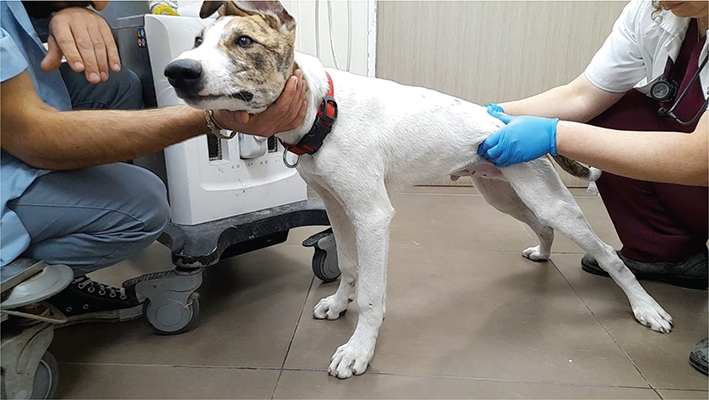
Fig. 1. Patient during physical examination at the referral hospital in Bait Dagan, April 2025.
Initial treatment at the shelter on-site clinic consisted of amoxicillin (Amoxy LA Veterinary, Norbrook; 15 mg/kg subcutaneously), tolfenamic acid (Tolfedine 4%, Vetoquinol; 4 mg/kg subcutaneously), and subcutaneous 0.9% sodium chloride (Mediscope; 20 mL/kg). He was then urgently transferred to the Shelter Medicine Department at Bait Dagan Veterinary Teaching Hospital for further evaluation in case mechanical ventilation or tetanus antitoxin, neither of which was available on site, became necessary.
Diagnostic findings
On arrival at the referral hospital, Arvin was breathing independently and was cardiovascularly stable. Complete blood count, serum biochemistry, and abdominal ultrasonography were within normal reference limits (Supplementary 1). Serology for T. gondii and N. caninum was negative (Supplementary 2). Several small, scabbed cutaneous wounds, each approximately 1 cm in length, were observed over the tarsal regions of both pelvic limbs and were considered the likely portals of entry. The wounds were in an advanced stage of healing and did not require treatment. A diagnosis of generalized tetanus was made based on the clinical presentation and exclusion of relevant differentials.
Treatment and management
Arvin was hospitalized overnight for observation and received intravenous fluids (0.9% sodium chloride), ampicillin (trihydrate 6.6 mg/kg body weight injected subcutaneously, twice daily), metronidazole (Metrocare, Animalcare; 20 mg/kg twice daily), and meloxicam (Metacam, Boehringer Ingelheim; 0.2 mg/kg). As his condition did not deteriorate overnight, he was discharged the following day with the treatment plan summarized in Table 1; the full day-by-day treatment schedule is provided in Supplementary 3.
Supportive nursing care was central to the management plan. During the first 3 weeks after diagnosis, he was checked and observed four times during the day and twice overnight each day. Arvin was maintained on cage rest in a darkened, quiet environment to minimize nervous system stimulation. Sedation with alprazolam was used for muscle relaxation. Because eyelid mobility was reduced, artificial tears (Lightears, Dr. Fischer Medical) were applied three times daily. Because he initially only dribbled urine on his bed, the urinary bladder was expressed manually three times daily until urination was facilitated by the addition of phenoxybenzamine. He was fed a slurry, approximately 80% liquid after the addition of water, of an urgent care recovery diet (a/d, Hill’s Pet Nutrition) three times daily from an elevated position to reduce the risk of aspiration and was offered water freely. His urine was pale yellow, and there were no signs of dehydration. Bedding was thickly padded to prevent injury during attempts to rise (Fig. 2), and he was rotated three times daily to prevent decubital ulcers.

Fig. 2. Patient on a heavily padded bed used to prevent injury during attempts to rise.
After a supply of equine tetanus antitoxin (Tetaniserum 150, Ceva; 1,500 IU/10 mL) was located, the labeled canine dose of 5 mL was administered subcutaneously.6 Because equine-derived antitoxin can cause hypersensitivity reactions, an intradermal sensitivity test was performed with 0.1 mL intradermally and observed for 1 h with no reaction. Arvin then received 5 mL of antitoxin subcutaneously, equivalent to 750 IU total or approximately 57 IU/kg, without complication. Daily massage, including gentle body rubbing and slow extension and flexion of the cervical and pelvic limb musculature, was performed twice daily by one of the clinicians or veterinary nurses to relieve sustained muscle contraction, and a probiotic paste was added because of the prolonged course of antimicrobial therapy.
During the critical first weeks, Arvin spent the days under observation at the shelter clinic and the nights in the homes of shelter staff, allowing close monitoring without exceeding the limited overnight resources of the shelter. Initially, he was unable to lie down or rise without assistance and required help standing three times daily. The period of intensive nursing care lasted approximately 5 weeks and involved three clinicians and four veterinary nurses and support staff. The team observed small improvements in his condition and abilities every few days.
Outcome
Clinical signs resolved gradually over approximately 10 weeks, and by July 2025 all medications had been tapered as muscle tone and neurologic function returned. The final residual abnormality was delayed relaxation of one pinna, which softened into a normal carriage over time. At 10-month follow-up, before adoption, Arvin had made a full recovery with no observable deficits in any body system (Fig. 3). He never required mechanical ventilation, urinary catheterization, or feeding tube placement. These serious complications of generalized tetanus infection can adversely affect prognosis and outcome. Arvin was adopted in February 2026 and is now living as a healthy family dog.
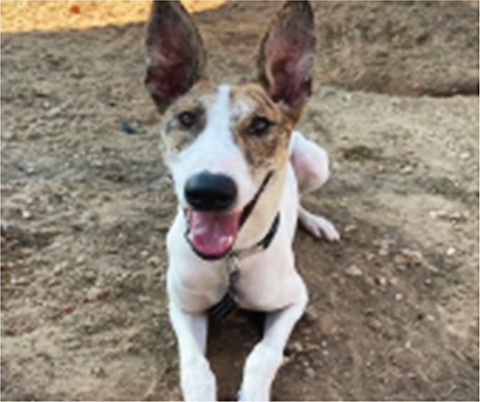
Fig. 3. Patient at 10-month follow-up, fully recovered.
Discussion
Canine tetanus is uncommon, and none of the attending clinicians at the shelter had previously seen a case. The disease is caused by tetanospasmin, the neurotoxin of C. tetani, whose highly resistant spores are widely distributed in soil and gain entry through small skin breaks. The small, scabbed wounds found on Arvin’s tarsi, combined with a typical incubation period of 3 to 21 days, are consistent with wound contamination as the likely route of infection.7 The freshly turned soil of the newly prepared play yard may have brought viable spores to the surface. The small size of the cutaneous wounds may have limited the inoculum and thereby contributed to a survivable disease course. The reason Arvin’s littermate remained unaffected, despite shared environmental exposure, is unclear but consistent with the recognized influence of host factors on the expression of tetanus.8
Once internalized, tetanospasmin binds to inhibitory interneurons of the central nervous system, producing the sustained muscular contractions and autonomic disturbances characteristic of generalized disease. Severe complications include aspiration pneumonia, asphyxiation, and death. Survival, however, is well documented.9 In a series of 61 dogs with tetanus reported by Shea et al., 18% died or were euthanized, and a clinically probable rapid eye movement (REM) sleep behavior disorder developed in 46% of survivors, with twitching, running, or vocalizing during sleep.4 A more recent retrospective analysis of 42 cases similarly described a favorable prognosis with appropriate supportive care.5 In Arvin’s case, prompt recognition of the textbook clinical phenotype and immediate initiation of antimicrobial therapy, antitoxin administration, and intensive nursing care may have contributed to his uneventful recovery.
Equine tetanus antitoxin was used because it was available and, based on the Tetaniserum 150 product label, was labeled for subcutaneous administration in dogs at the administered dose.6 Antitoxin is used in canine tetanus to neutralize circulating toxin that has not yet entered neurons,7 although current evidence for a mortality benefit in dogs is weak.10 Because antitoxin cannot act on toxin already bound within the nervous system, it should be started early in the disease process if used, although it is not always readily available.
The benefit of antimicrobial therapy in this case is uncertain. Clinical signs were already generalized at presentation, indicating that toxin had reached the central nervous system, and the small cutaneous wounds were in advanced healing; antimicrobials act only on vegetative organisms at the wound to limit further toxin production and cannot affect toxin already bound within the nervous system.7 Metronidazole, the recommended antimicrobial for tetanus, was administered nonetheless to eliminate any residual organisms. A defined treatment course may be preferable to prolonged administration, given the recognized risk of metronidazole-associated neurotoxicity in dogs.11
Arvin was a charity-shelter dog, and the resources available for treatment were inevitably more limited than those typical for a privately owned patient. The Tel Aviv SPCA shelter operates a no-kill policy, which, together with the patient’s young age and overall good condition, supported the decision to pursue prolonged treatment. Although the direct medication costs were modest, the case required a substantial investment of clinical and kennel staff time over more than 2 months. Other shelters or charities, with different resources or policies, may reasonably reach different decisions in similar circumstances.
Recommendations for shelters and charities
Based on this experience, we offer the following recommendations to other animal shelters and charities seeking to mitigate the risk of tetanus and respond effectively when cases occur:
- Inspect kennel areas and play yards for sharp objects, surfaces, or features that could cause skin abrasions or punctures.
- Examine sheltered animals daily; even very small wounds (in this case approximately 1 cm) may serve as portals of entry, and routine inspection improves the chance of early detection.
- Begin treatment promptly when tetanus is suspected, including thorough cleaning and disinfection of any apparent wounds when clinically appropriate.
- Establish, in advance, a working relationship with a 24-h veterinary hospital or emergency facility that can provide consultation, prolonged mechanical ventilation if needed and resources allow, and access to tetanus antitoxin.
Conclusion
Generalized canine tetanus can be managed successfully within the resource constraints of a charity shelter when early recognition, prompt initiation of treatment, and sustained supportive care are achievable. This case report is offered to raise awareness of an uncommon but treatable disease, describe its management under shelter conditions, and encourage early diagnosis and intervention in other patients who may benefit from them.
Ethical approval
This case report describes the routine clinical care of an individual shelter patient and did not constitute experimental research; institutional ethics committee review was therefore not required. Care was provided in accordance with the professional and ethical standards of the treating institution, Tel Aviv SPCA.
Author notes
No portion of this manuscript has previously appeared in a public forum (poster, abstract, preprint, or thesis).
References
| 1. | Lalli G, Bohnert S, Deinhardt K, Verastegui C, Schiavo G. The Journey of Tetanus and Botulinum Neurotoxins in Neurons. Trends Microbiol. 2003;11(9):431–437. doi: 10.1016/S0966-842X(03)00210-5 |
| 2. | Rossetto O, Scorzeto M, Megighian A, Montecucco C. Tetanus Neurotoxin. Toxicon. 2013;66:59–63. doi: 10.1016/j.toxicon.2012.12.027 |
| 3. | Burkitt JM, Sturges BK, Jandrey KE, Kass PH. Risk Factors Associated with Outcome in Dogs with Tetanus: 38 Cases (1987–2005). J Am Vet Med Assoc. 2007;230(1):76–83. doi: 10.2460/javma.230.1.76 |
| 4. | Shea A, Hatch A, De Risio L, Beltran E. Association between Clinically Probable REM Sleep Behavior Disorder and Tetanus in Dogs. J Vet Intern Med. 2018;32(6):2029–2036. doi: 10.1111/jvim.15320 |
| 5. | Zitzl J, Dyckers J, Güssow A, Lehmann H, Hazuchová K. Survival in Canine Tetanus: Retrospective Analysis of 42 Cases (2006–2020). Front Vet Sci. 2022;9:1015569. doi: 10.3389/fvets.2022.1015569 |
| 6. | Tetaniserum 150. Résumé des caractéristiques du produit (RCP). French Agency for Food, Environmental and Occupational Health & Safety (ANSES), Index des Médicaments vétérinaires autorisés en France. Accessed July 1, 2026. https://www.ircp.anmv.anses.fr/rcp.aspx?NomMedicament=TETANISERUM+150 |
| 7. | Fawcett A, Irwin P. Diagnosis and Treatment of Generalised Tetanus in Dogs. In Pract. 2014;36(10):482–493. doi: 10.1136/inp.g6312 |
| 8. | Dörfelt S, Mayer C, Wolf G, Straubinger RK, Fischer A, Hartmann K. Retrospective Study of Tetanus in 18 Dogs: Causes, Management, Complications, and Immunological Status. Front Vet Sci. 2023;10:1249833. doi: 10.3389/fvets.2023.1249833 |
| 9. | Bandt C, Rozanski EA, Steinberg T, Shaw SP. Retrospective Study of Tetanus in 20 Dogs: 1988–2004. J Am Anim Hosp Assoc. 2007;43(3):143–148. doi: 10.5326/0430143 |
| 10. | Wong B. Evaluating the Effect of Equine Tetanus Antitoxin on Mortality Rates of Dogs Affected by Tetanus. Vet Evid. 2024;9(1):1–8. doi: 10.18849/ve.v9i1.676 |
| 11. | Tauro A, Beltran E, Cherubini GB, et al. Metronidazole-Induced Neurotoxicity in 26 Dogs. Aust Vet J. 2018;96(12):495–501. doi: 10.1111/avj.12772 |